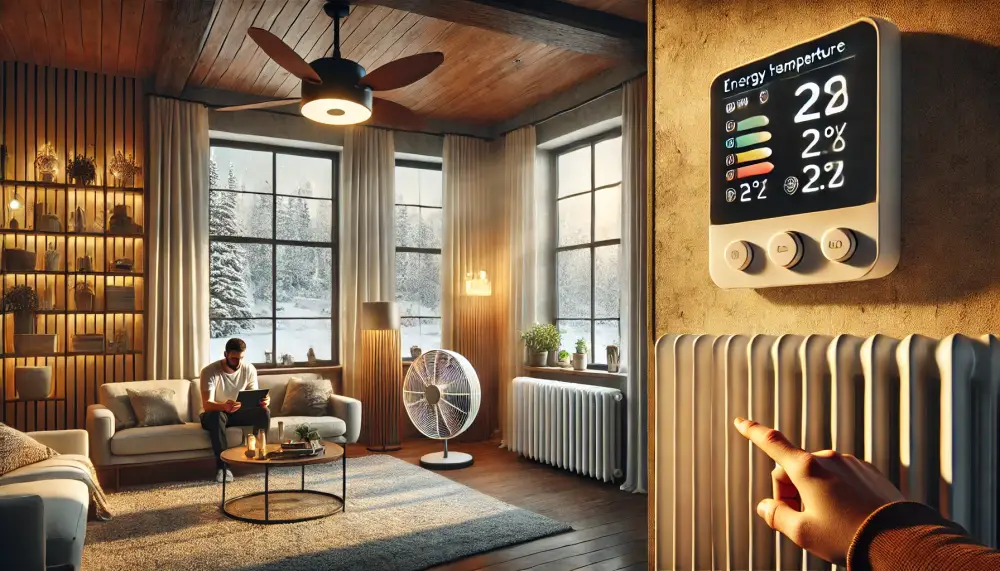
Heating costs represent a significant portion of monthly expenses for many households. Especially during the cold winter months, inefficient heating use can lead to high costs. However, there are numerous ways to save on heating costs without sacrificing comfort. This article explores various strategies, including optimal room temperatures, the use of electronic radiator thermostats, the use of fans, specific tips for renters, the proper use of underfloor heating, and efficient ventilation to save on heating costs.
The ideal room temperatures: A comfortable climate for every room
The right room temperature contributes significantly to well-being and health. It affects not only our sense of comfort, but also our performance and energy consumption. But what temperatures are ideal for different rooms in an apartment or house?
Recommended room temperatures by room
- Living room: 20–22 °C
- The living room is the central gathering space where you can relax or entertain guests. A temperature between 20 and 22 degrees Celsius ensures a pleasant atmosphere.
- Bedroom: 16–18 °C
- For restful sleep, the bedroom should be kept rather cool. Temperatures between 16 and 18 degrees Celsius are ideal, as they improve sleep quality and prevent overheating.
- Kitchen: 18–20 °C
- In the kitchen, a temperature of 18 to 20 degrees Celsius is sufficient, as additional heat is generated through cooking and baking.
- Bathroom: 22–24 °C
- The bathroom should be warmer than other rooms to prevent you from getting cold after showering or bathing. Temperatures between 22 and 24 degrees Celsius are ideal.
- Study: 20–22 °C
- Temperatures between 20 and 22 degrees Celsius are optimal for focused work. Rooms that are too warm or too cold can negatively affect concentration and productivity.
- Hallway: 15–18 °C
- Since people usually only spend a short time in the hallway, a temperature between 15 and 18 degrees Celsius is sufficient. This saves energy.
When considering optimal room temperatures, it's important to remember that every degree less can save approximately 6% on heating costs. Therefore, it's worthwhile to consciously adjust the temperature and avoid setting it unnecessarily high. The right room temperature is a crucial factor for comfort, health, and energy efficiency. Adhering to the recommended values and heating consciously not only improves well-being but also saves on heating costs and protects the environment.
Anyone who has installed a smart home system in their house or apartment, or is considering purchasing one, can use smart thermometers to measure room temperature and monitor the temperature range. Some models, such as the Homematic IP Smart Home Wall Thermostat, They also measure humidity. This has the advantage of effectively preventing potential mold growth caused by excessive humidity. While a room temperature that is too low saves on heating costs, it also promotes mold growth.
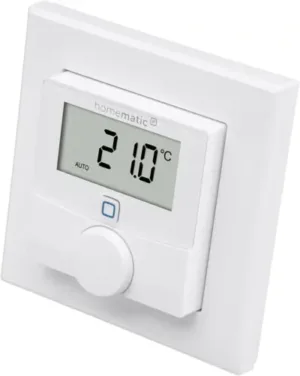
Homematic IP Smart Home wall thermostat with humidity sensor
Digital thermostat for radiators/underfloor heating with app, Alexa, Google Assistant, temperature measurement, energy saving
Use electronic radiator thermostats – save energy and increase comfort
Modern electronic radiator thermostats offer an intelligent way to efficiently control room temperature. Unlike conventional thermostats, they allow for precise temperature control and can be individually programmed. For example, the heating output can be automatically reduced when no one is home or lowered at night to save energy.
A key advantage of this technology is the possibility of time-controlled temperature control. Users can set specific heating times for each room, so that, for example, the bathroom is pleasantly warm in the morning, while no unnecessary energy is consumed in unused rooms.
In addition, many smart radiator thermostats offer a App control via smartphone, tablet or Smartwatch. This allows you to adjust the heating remotely, for example, if you arrive home earlier than planned. Some models are even compatible with smart home systems such as... Amazon Alexa, Google Assistant or Apple HomeKit compatible and thus enable convenient voice control.
In addition to increased living comfort, the use of electronic radiator controllers also ensures a significant reduction in energy consumption and heating costs. Targeted and efficient heating can save on heating costs – a great advantage for both your wallet and the environment.
Homematic IP states that heating costs can be saved by 33% when using smart radiator thermostats in combination with... Window and door contacts can be used. This also depends on personal heating habits. Various options are available. Reference projects presented, in which the savings in heating costs are presented.
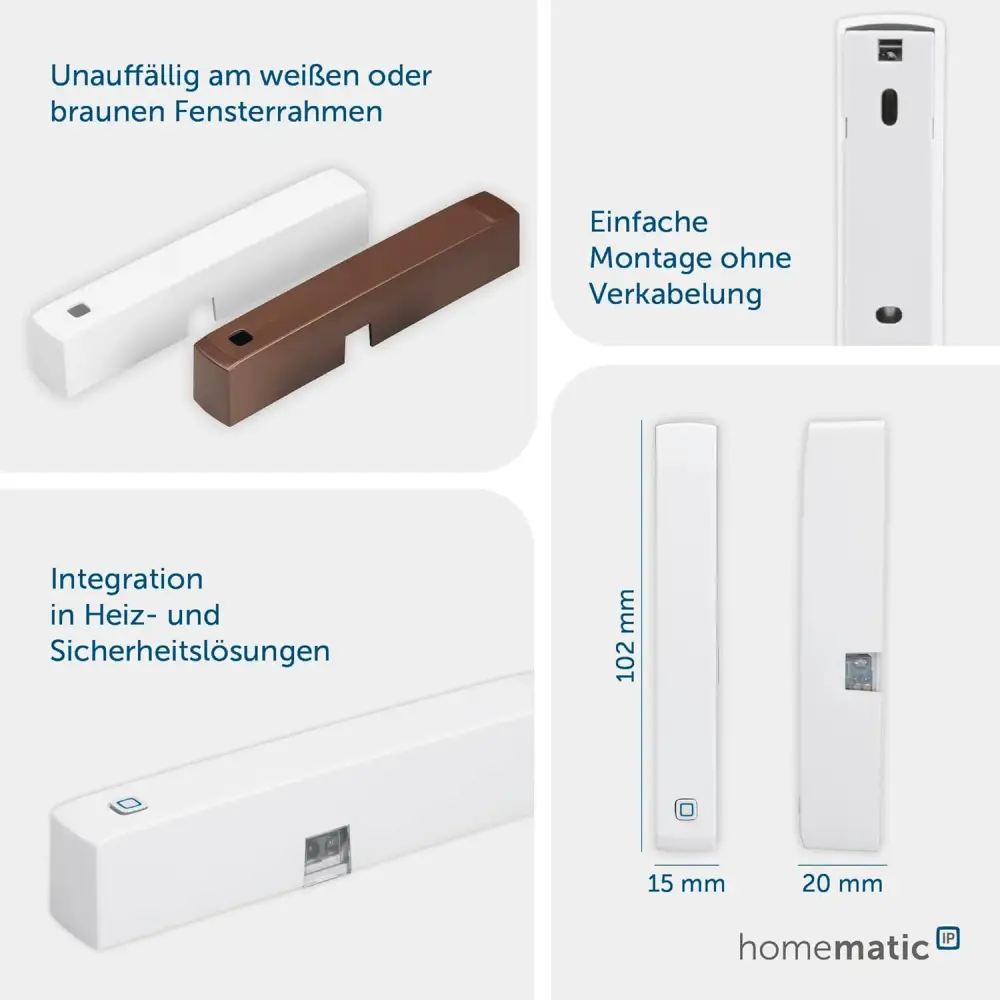
Homematic IP Smart Home Window and Door Contact
Optical, white + brown cover, digital sensor, efficient heating, window monitoring via app, energy saving, Alexa, Google Assistant
For getting started in the world of electronic radiator thermostats, we recommend the Homematic IP Smart Home Radiator Thermostat – Basic. According to the manufacturer's suggested retail price (MSRP), this costs €29.95 and is therefore the Best value for money. The smart radiator thermostat can be used as a standalone device without a central unit. In conjunction with a Homematic IP Access Point Control via the Homematic IP app is also possible.
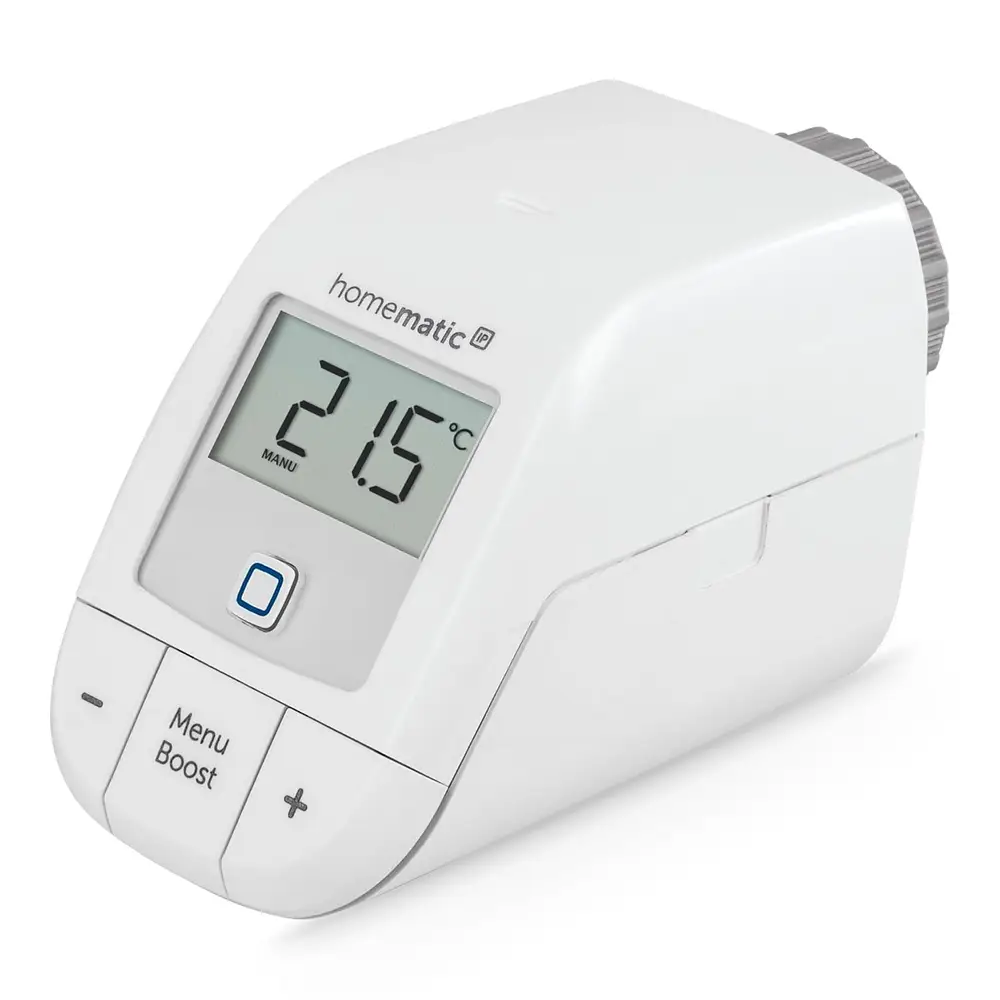
Homematic IP Smart Home Radiator Thermostat – Basic
Digital thermostat for heating, control via app, Alexa, Google Assistant, easy installation, energy saving
Fans for better heat distribution
Ceiling or room fans Radiators are often associated with a cooling effect in summer, but they can also make a valuable contribution to energy savings in the colder months. During the heating season, warm air tends to rise and collect near the ceiling. This results in cooler air layers remaining near the floor, while the desired heat goes unused.
A Ceiling fan or a small one room fan This can help distribute warm air more evenly throughout the room. Gentle air circulation pushes the heat from the ceiling downwards, reaching the lower areas of the room where it's actually needed. This can improve the perceived warmth, which in turn allows the heating to be set slightly lower without sacrificing comfort. This leads to lower heating costs and reduces energy consumption.
radiator fans These are an even more efficient way to optimally distribute heat in the room. They are attached directly to the radiator and ensure that the heated air is distributed more quickly and evenly throughout the room. This allows the heating output to be used more efficiently, which not only creates a more comfortable indoor climate but also reduces energy consumption.
But how much can actually be saved by using radiator fans? In a Long-term test from GIGA This could result in heating cost savings of approx. 15 % must be determined over a period of 12 months.
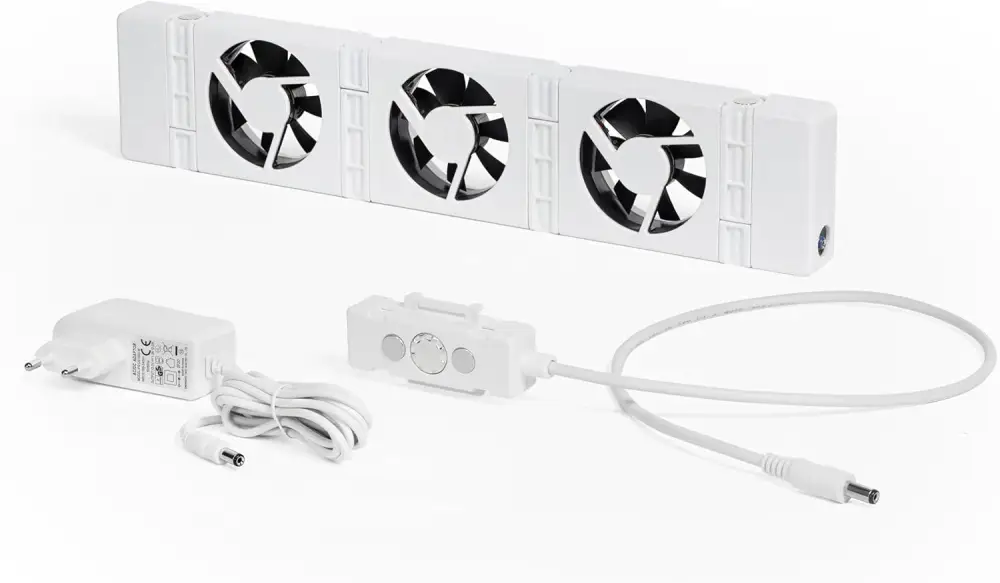
SpeedComfort Radiator Fan Mono Set
1 radiator fan – energy-efficient heating fan
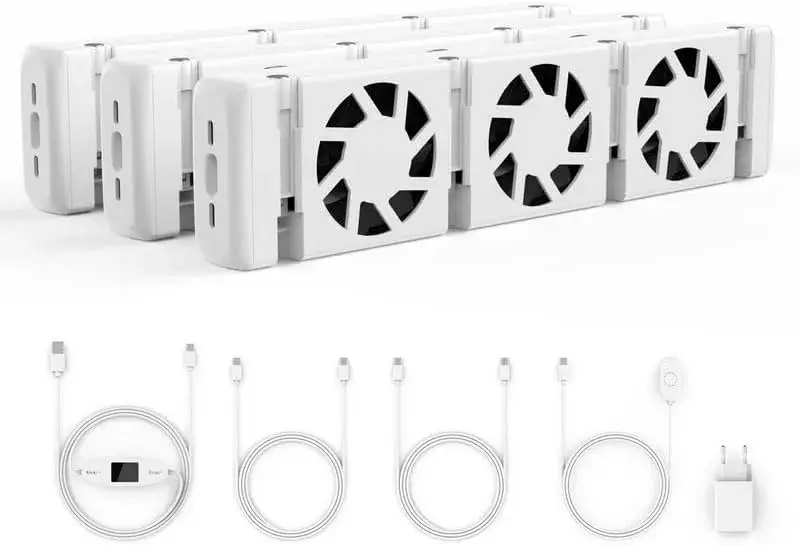
Smart heating fan
For radiators and underfloor heating, durable radiator booster to increase heating efficiency
Conclusion
Heating costs can be significantly reduced through conscious use and modern technology. Even small adjustments, such as lowering the room temperature or ventilating properly, can lead to noticeable savings. In particular, the use of electronic radiator thermostats, the targeted use of fans, and efficient operation of underfloor heating offer great potential for savings. Those who follow these tips can reduce energy consumption while maintaining living comfort.
Source/Photo: (Homematic IP / Amazon / Image Generator)

My name is Christian, and I founded this blog in 2024. I'm a trained communications electronics technician, a tech enthusiast, and a smart home aficionado with many years of experience in the field of networked household appliances. I passionately follow current developments and regularly test new products to provide clear insights and practical recommendations.