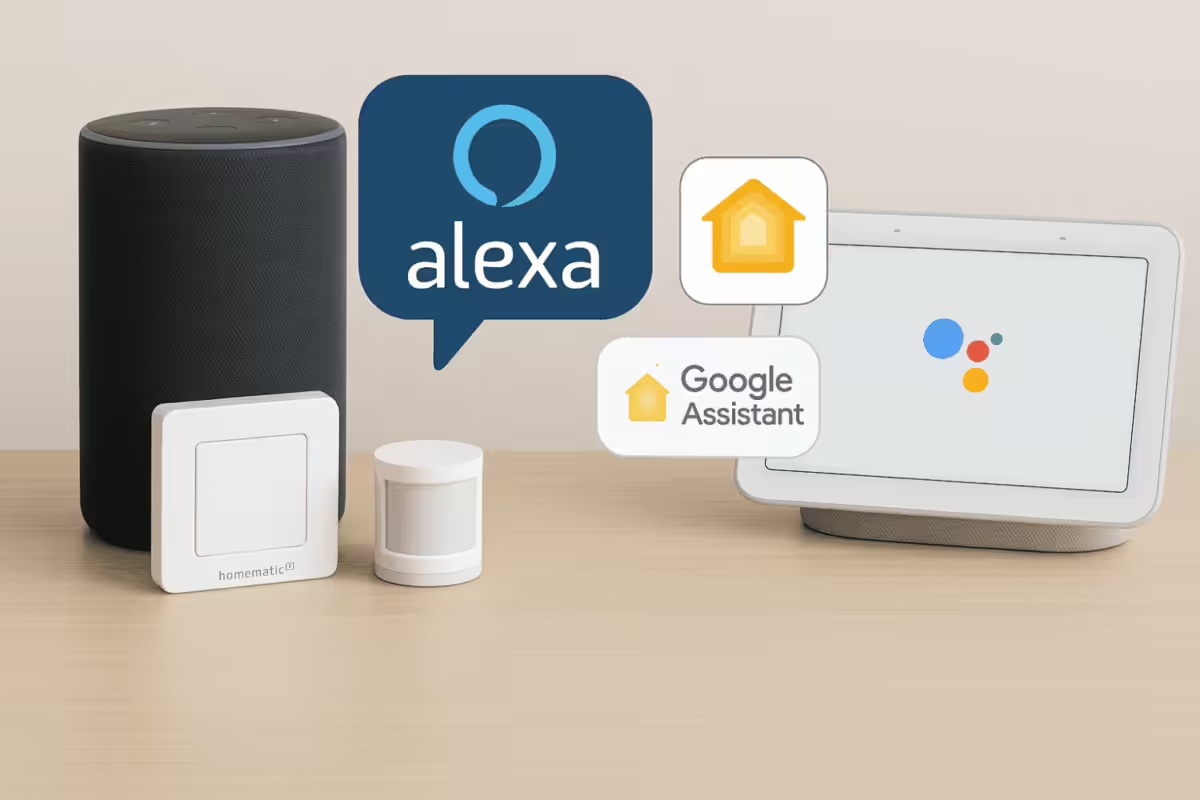
Sprachassistenten wie Amazon Alexa, Apple HomeKit (über Siri) und Google Assistant haben sich in den letzten Jahren zur wichtigsten Schnittstelle zwischen Menschen und Smart-Home-Systemen entwickelt. Parallel dazu gewinnt Künstliche Intelligenz (KI) immer mehr an Bedeutung – sowohl für Automatisierungen als auch für den Komfort im digitalen Zuhause. Systeme wie Homematic IP und Aqara gehören im deutschsprachigen Raum zu den beliebtesten Lösungen. Dieser Artikel beleuchtet den aktuellen Integrationsstand, die Rolle von KI und mögliche Entwicklungen der nächsten Jahren.
Stand der Sprachassistenten-Integration und KI
Homematic IP
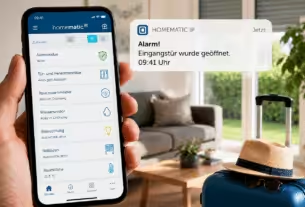
Homematic IP ist als geschlossenes, aber gut entwickeltes Smart Home System bekannt. Viele Komponenten wie smarte Heizkörperthermostate, Rolllädensteuerungen und Sicherheitskomponenten, für z.B. den Aufbau einer Alarmanlage, lassen sich in Kombination mit Sprachassistenten nutzen. Die Integration erfolgt über kompatible Gateways oder Drittanbieter-Brücken, die Homematic Geräte für Alexa, Siri oder Google Assistant zugänglich machen. Für Anwender bedeutet dies:
- Sprachsteuerung für Heizung-, Licht- und Rolllädensteuerung
- Einbindung in Routinen und Szenen der jeweiligen Sprachassistenten
- Nutzung von Standardbefehlen wie „Alexa, stelle die Temperatur auf 21 Grad“
Homematic IP profitiert besonders davon, dass viele Nutzer bereits Alexa- oder Google-Geräte besitzen und so ohne zusätzliche Hardware in die Sprachsteuerung einsteigen.
Aqara
Aqara bietet besonders kosteneffiziente Sensoren, Hubs (Zentrale) und Aktoren – von Türkontakten über Präsenzmeldern bis hin zu smarten Schaltern. Die Integration in Sprachassistenten ist bei Aqara umfangreicher und direkt im System verankert:
- Amazon Alexa: Nahezu gesamte Gerätepalette integrierbar.
- Apple HomeKit: Viele Aqara-Hubs sind HomeKit-zertifiziert, wodurch Sensoren und Aktoren automatisch im Apple-Ökosystem erscheinen.
- Google Assistant: Breite Unterstützung für Steuerung und Szenen.
Der Hub fungieren als zentrale Schnittstelle zwischen lokalen Geräten und der Cloud und der Sprachdienste.
Aqara bietet besonders kosteneffiziente Sensoren, Hubs (Zentrale) und Aktoren – von Türkontakten über Präsenzmeldern bis hin zu smarten Schaltern. Viele Geräte von Aqara sind von Haus aus mit mehreren Plattformen kompatibel. Hier kommen die Aqara Hubs bzw. Zentralen zum Einsatz, die als Übersetzer zwischen Geräten und Sprachassistenten dienen. Besonders attraktiv ist die direkte HomeKit Integration vieler Geräte, wodurch das Apple Ökosystem gut eingebunden ist.
Praktische Vorteile für Anwender:
- große Auswahl an kompatiblen Sensoren (Bewegung, Temperatur, Licht)
- zuverlässige HomeKit Anbindung für Siri Steuerung
- Alexa- und Google Assistant-Integration über Hubs oder Cloud
Damit eignet sich Aqara sehr gut für Nutzer, die ein flexibles System suchen, das leicht erweiterbar ist und mehrere Sprachassistenten unterstützt.
Die drei großen Sprachassistenten im Überblick
Amazon Alexa
Alexa gilt als besonders flexibel und unterstützt eine große Zahl an Smart Home Geräten, Automationen und Routinen. Für Anfänger ist die Einrichtung unkompliziert, und die Sprachbefehle werden weitgehend zuverlässig umgesetzt.
Apple HomeKit / Siri
Apple punktet vor allem mit Datenschutz, lokaler Verarbeitung und intuitiven Automationen. Für Nutzer, die bereits tief im Apple Ökosystem verankert sind, ist HomeKit die naheliegende Lösung. Befehle wie „Hey Siri, schalte das Schlafzimmerlicht ein“ funktionieren problemlos mit vielen der Aqara Geräten.
Google Assistant
Der Google Assistant ist stark mit Android Geräten verzahnt und unterstützt ebenfalls zahlreiche Smart Home Geräte. Seine Stärke liegt in flexiblen Sprachmodellen und einer guten Alltagsintegration.
Zusammenspiel von KI und Sprachassistenten
Sprachassistenten werden zunehmend mit KI verschmelzen – teilweise ist das bereits heute sichtbar:
- Natürlichere Sprachbefehle statt starre Kommandos:
Statt konkreter Prozentangaben funktionieren bei modernen Assistenten bereits kontextuelle Beschreibungen wie
„Mach das Licht im Wohnzimmer gemütlicher“ oder „Dimme die Beleuchtung ein bisschen“. - KI-gestützte Kontextanalyse:
Sprachassistenten können Alltagsaussagen wie „Es ist zu warm hier“ interpretieren und passende Aktionen wie das Absenken der Heizung auslösen.
Moderne Systeme berücksichtigen heute bereits Nutzerhistorien, bevorzugte Routinen oder typische Tageszeiten, um Befehle besser zu verstehen und schneller umzusetzen. Viele Assistenten kombinieren zusätzlich Gerätedaten, Sensormesswerte oder Standortinformationen, um passende Aktionen vorzuschlagen. Auch die Erkennung von Mehrdeutigkeiten verbessert sich kontinuierlich, sodass Assistenten bei unklaren Aussagen aktiv nachfragen können. Darüber hinaus entwickeln Hersteller zunehmend Modelle, die Situationen „im Ganzen“ analysieren, etwa Raumklima, Beleuchtung und Anwesenheit, um Befehle präziser umzusetzen.
Fazit
Die Integration von Alexa, Apple HomeKit und Google Assistant in Homematic IP und Aqara bietet heute bereits einen großen praktischen Nutzen. Nutzer können grundlegende Funktionen wie Heizung, Licht, Rollläden und Sensorik bequem per Sprache steuern und in Automationen einbinden. Während Homematic IP durch seine solide Infrastruktur überzeugt, punktet Aqara mit großer Gerätevielfalt und starker HomeKit Integration.
In Zukunft wird KI voraussichtlich eine zentrale Rolle spielen, indem sie Verhalten analysiert, Automationen selbstständig generiert und Gerätehersteller übergreifend vernetzt – sofern Datenschutz, Standards und Systemoffenheit diese Entwicklung erlauben.
💬 Wie stellst du dir das ideale Zusammenspiel von KI und Sprachassistenten im Smart Home vor?
Schreibe gerne in die Kommentare, welche Funktionen du dir wünschst, welche Assistenten du nutzt oder welche Herausforderungen du aktuell erlebst. Deine Erfahrungen helfen anderen Lesern und fließen in zukünftige Artikel mit ein!
Quelle/Foto: (Amazon / Aqara /Homematic IP)

Ich bin Christian und habe den Blog 2024 gegründet. Ich bin gelernter Kommunikationselektroniker, technikbegeistert und Smart-Home-Enthusiast mit langjähriger Erfahrung im Bereich vernetzter Haushaltsgeräte. Mit großer Leidenschaft verfolge ich aktuelle Entwicklungen und teste regelmäßig neue Produkte, um verständliche Einblicke und praxisnahe Empfehlungen zu geben.