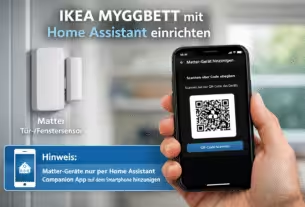
With the MYGGBETT door/window sensor, IKEA is responding to a key trend in the smart home market: cross-manufacturer standards and easy integration. The sensor is based on the open Matter standard and is aimed at users who want to make their home smarter, more comfortable and more secure—without complex technology or being tied to a particular manufacturer or system.
💡Chrissmart is giving away one MYGGBETT among everyone who leaves a comment below this article by 31 January 2026 and briefly explains why they are interested in the sensor. Good luck!
IKEA MYGGBETT at a glance
The MYGGBETT sensor detects whether doors or windows are open or closed. When integrated into a compatible system, it sends notifications directly to your smartphone as soon as the status changes. This lets you check remotely whether everything at home is closed—for example, after leaving the house or during a longer absence.
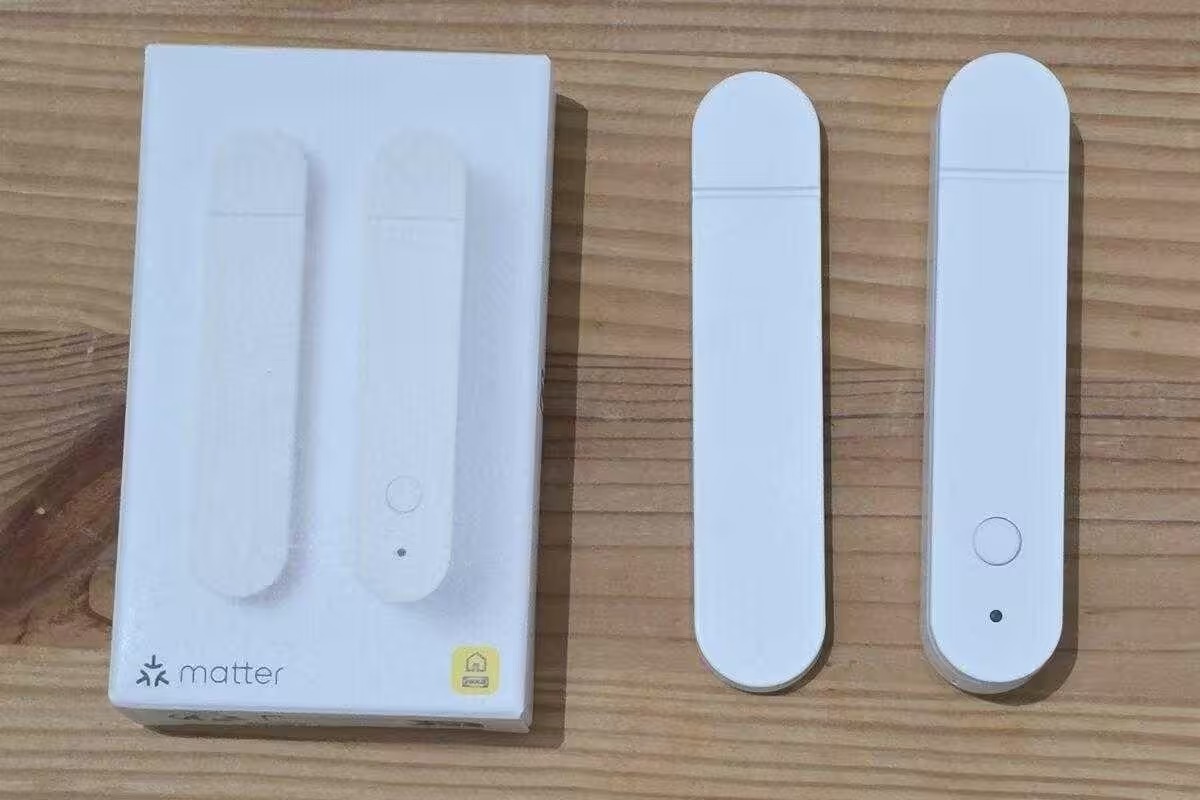
MYGGBETT features a slim, understated design. Its simple appearance blends harmoniously into modern living spaces. The minimalist design follows IKEA’s typical visual language: functional, discreet and unobtrusive, so it does not distract from doors or window frames.

12-Pack Rechargeable AAA NiMH Batteries
high capacity, 850 mAh, 1.2 V, rechargeable up to 500 times, pre-charged
The sensor measures 82 × 17 × 18 mm and is therefore around one and a half times as long as the AAA battery used to power it. The battery is not included and must be purchased separately, which is understandable given the purchase price.
Matter as the technological foundation
Technically, IKEA consistently relies on the open Matter standard for MYGGBETT. The goal is to make devices easier to install and compatible over the long term. Accordingly, the sensor can be used with systems from Amazon, Apple, Google, Homey and Samsung. It can also be operated via the DIRIGERA hub. This openness, combined with the attractive price, is what makes the sensor particularly interesting.
Flexible installation of IKEA MYGGBETT
The MYGGBETT door/window sensor is designed for different installation situations. The sensor and magnet can be mounted upright, side by side or opposite each other. This makes it suitable for doors, windows and furniture throughout the home.
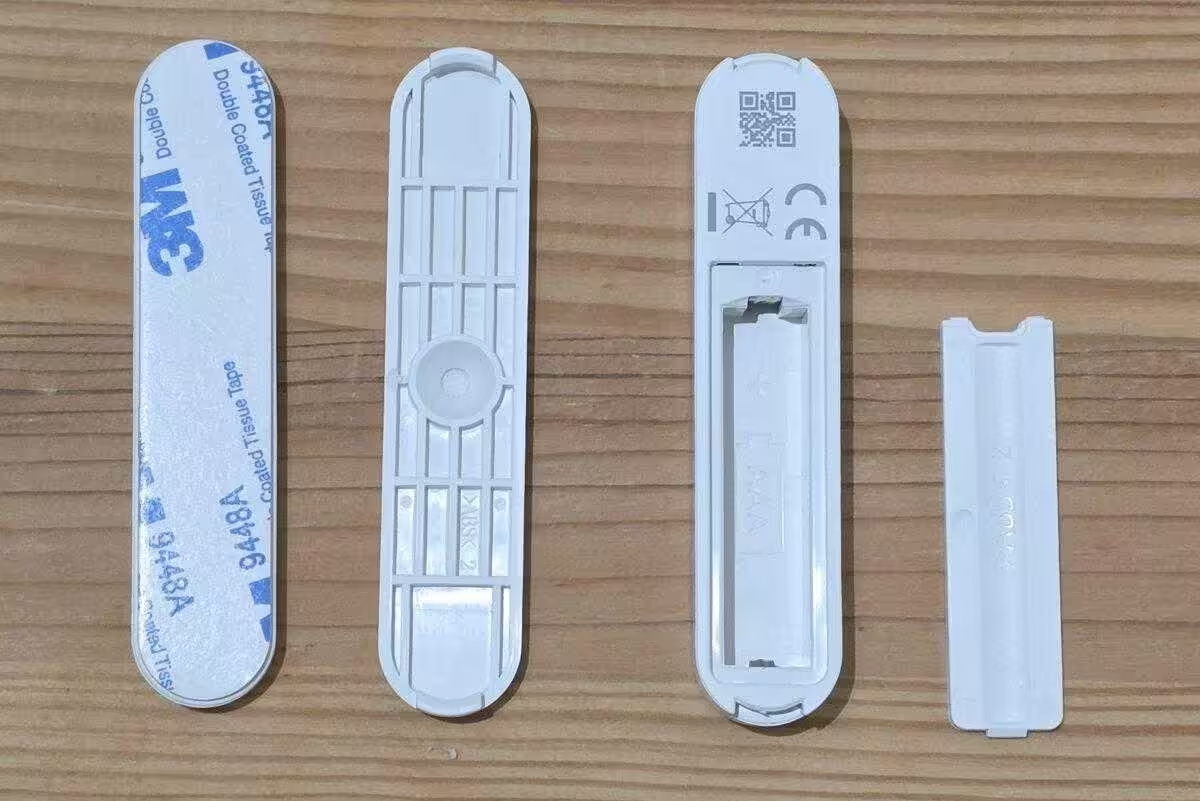
The sensor sits on a base plate that can be removed for installation. The plate can be screwed on or attached with an adhesive pad, allowing it to be removed later without leaving any residue. The magnet can only be attached with adhesive.
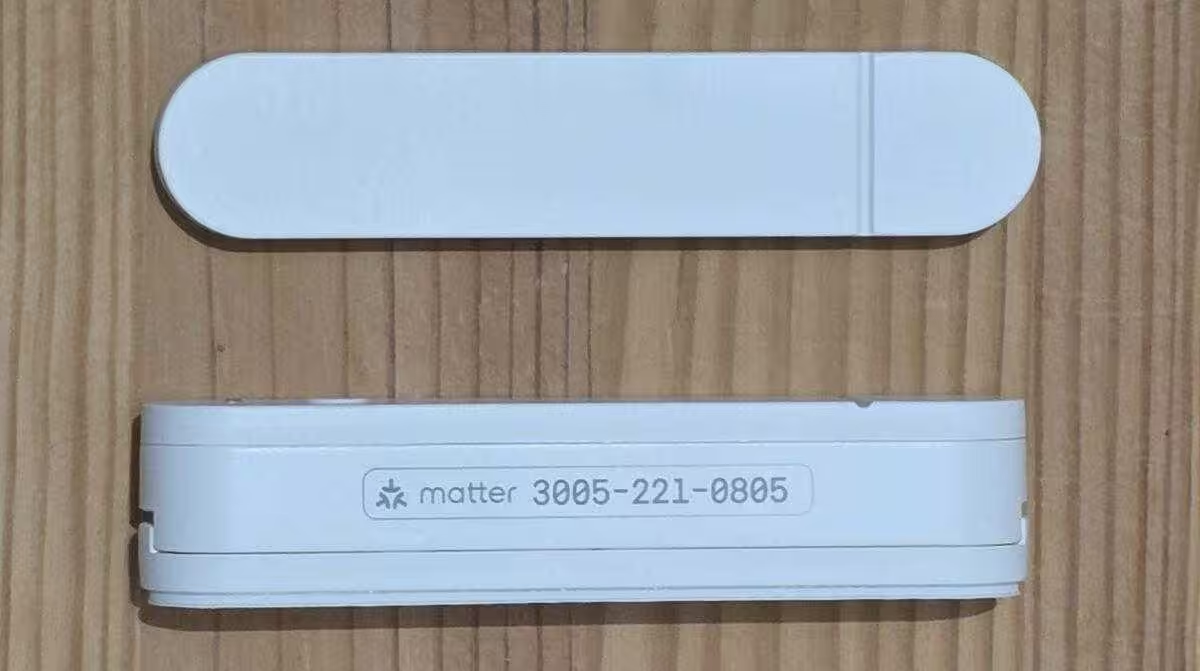
Both housings have a notch that serves as an alignment guide. The notches on both parts must line up for the magnet to be detected. IKEA specifies a maximum distance of 5 mm between the sensor and magnet. In the test, MYGGBETT still detected the magnet at a slightly greater distance. For reliable operation, however, the gap should be kept as small as possible.
Setting up IKEA MYGGBETT in the test
In the test, the sensor was integrated with the Aqara Smart Hub M200 via Matter. After inserting the battery, the sensor automatically enters pairing mode. Setup was trouble-free and worked on the first attempt with the Aqara app. The required Matter code is printed on the side of the sensor, while the manual contains the corresponding QR code.
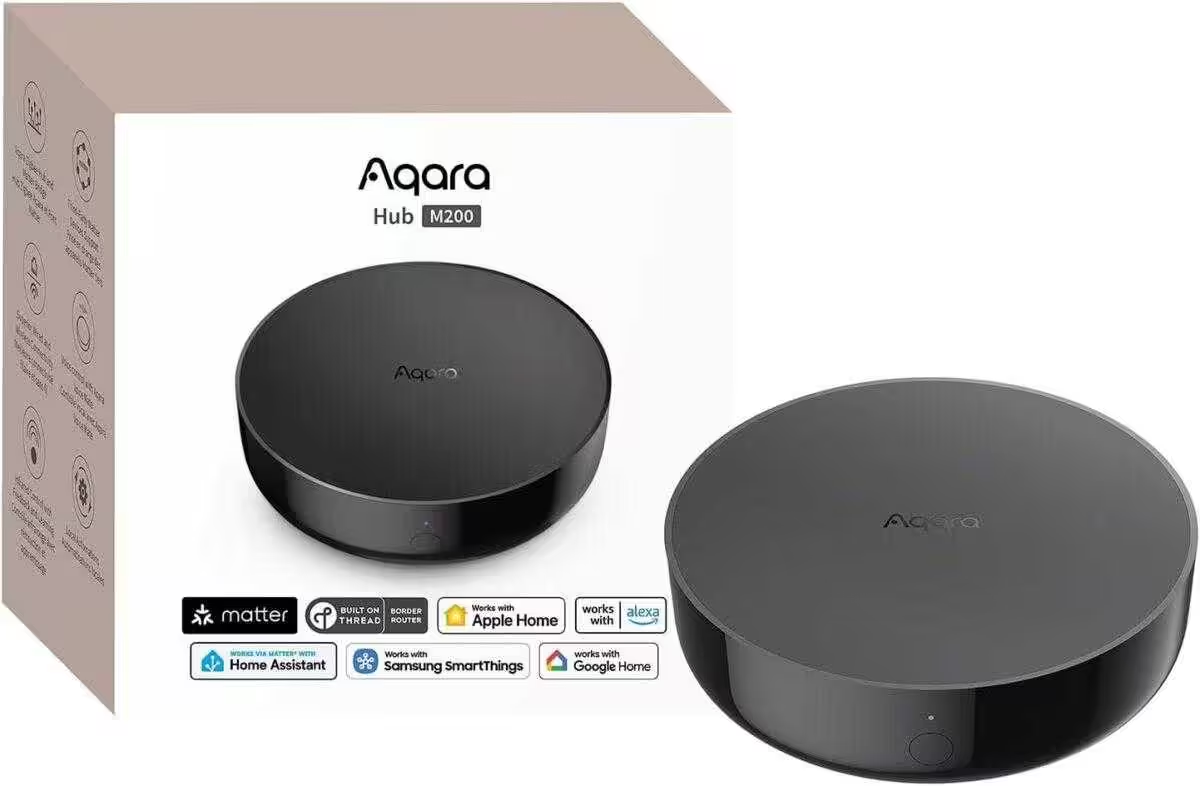
Aqara Smart Hub M200
Matter controller and Thread border router with Aqara Zigbee, Bluetooth, Wi-Fi, PoE and IR; supports Amazon Alexa, Apple HomeKit, Home Assistant, SmartThings and Google Home
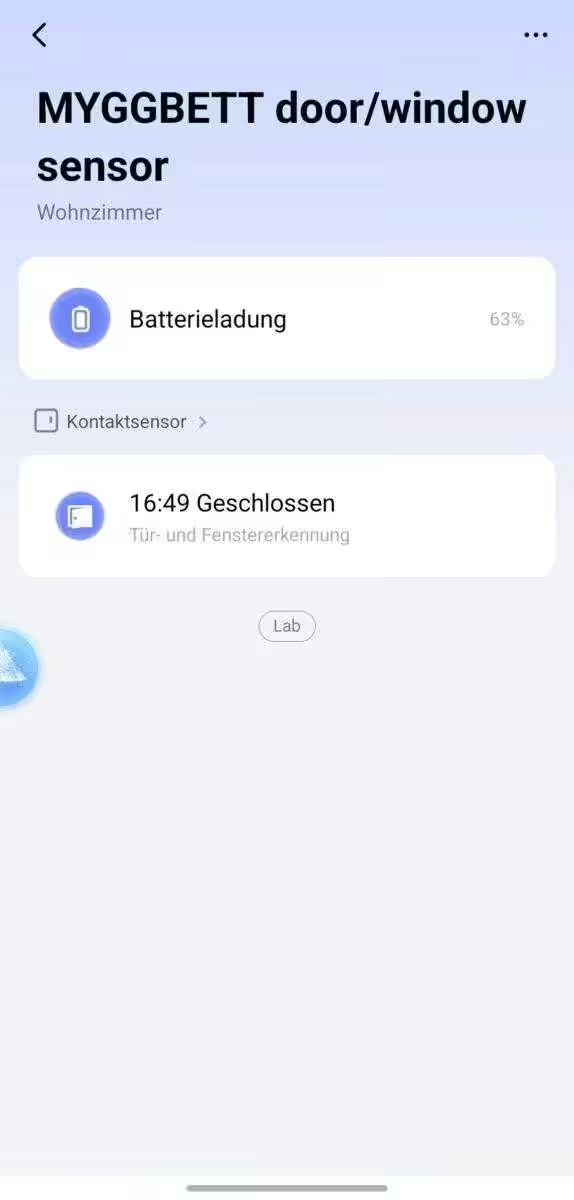
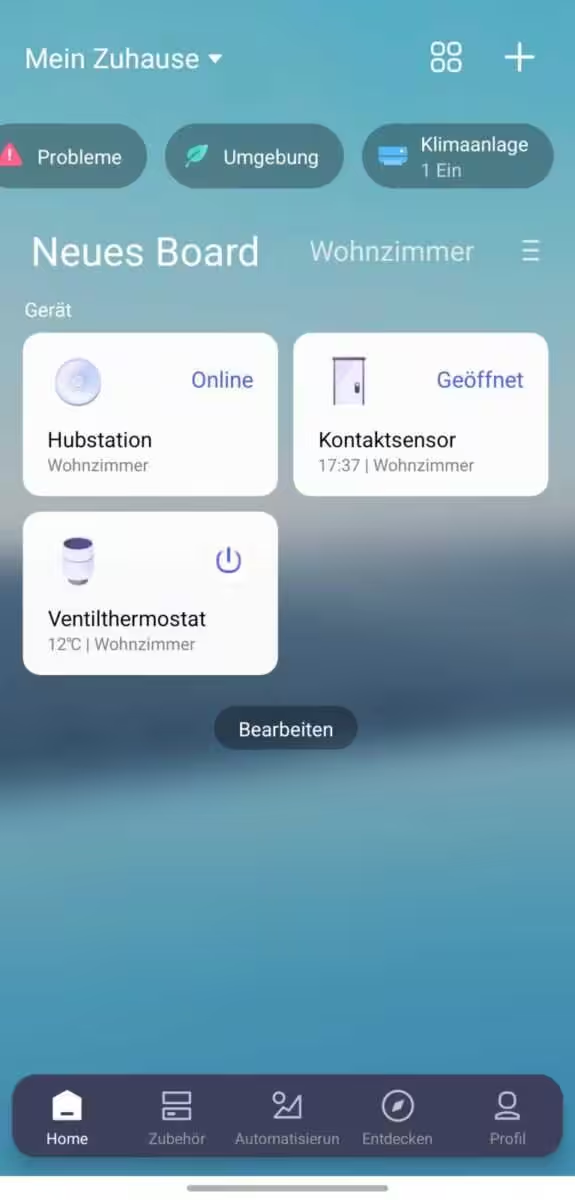
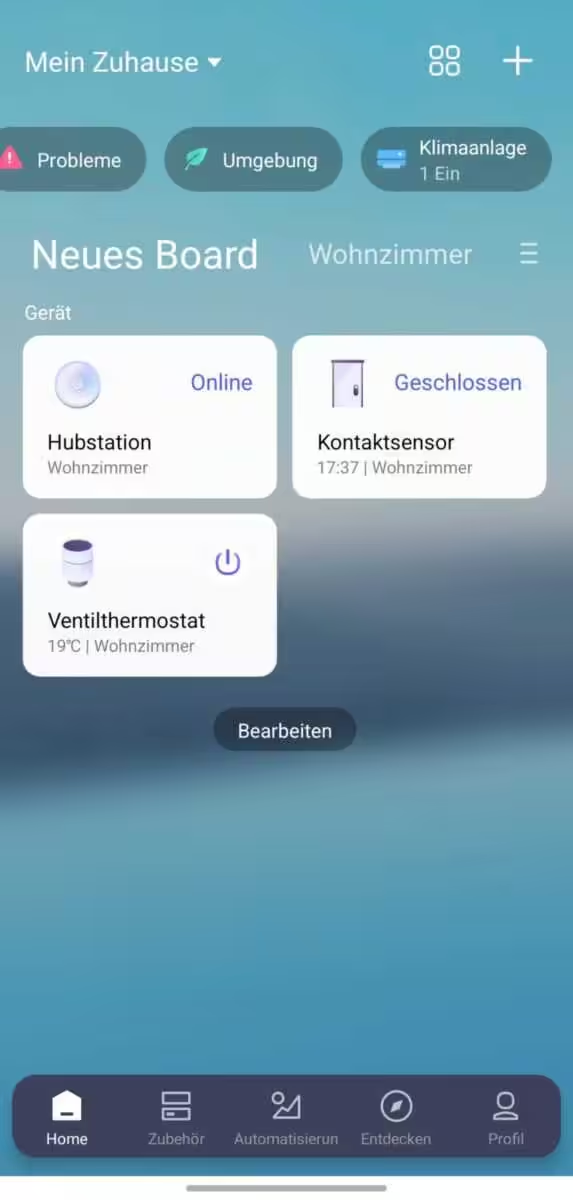
After setup, MYGGBETT appears on the home screen with the status indicators “Open” and “Closed”. The detailed device card provides further information, including the battery level as a percentage and the status with a timestamp of the most recent change.


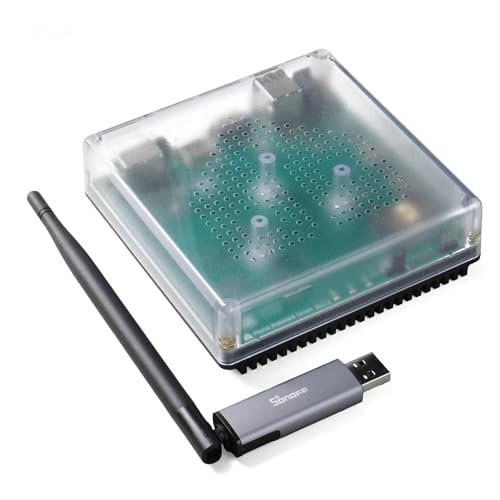

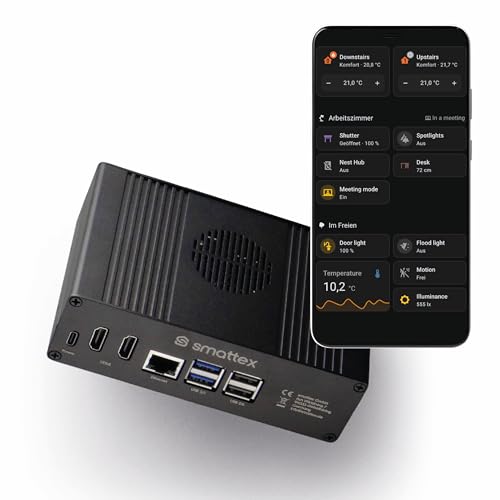


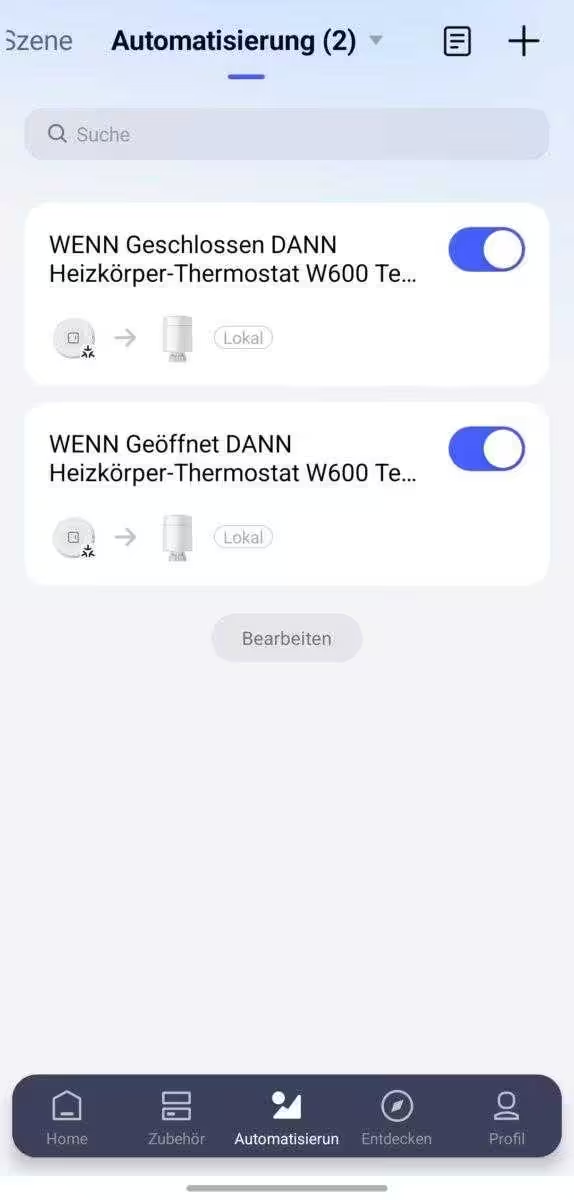
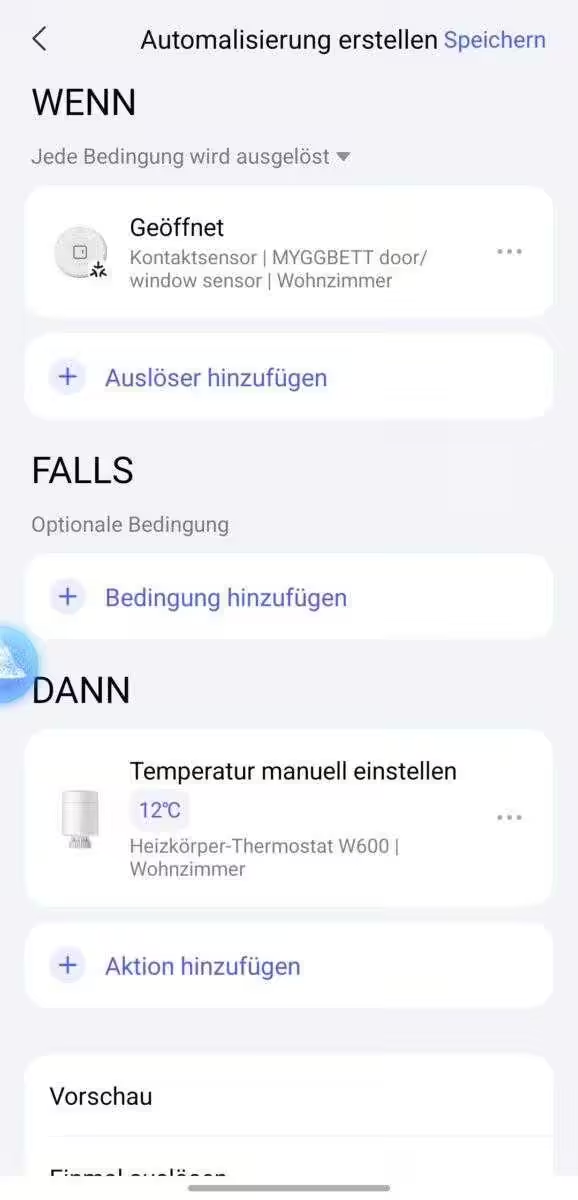
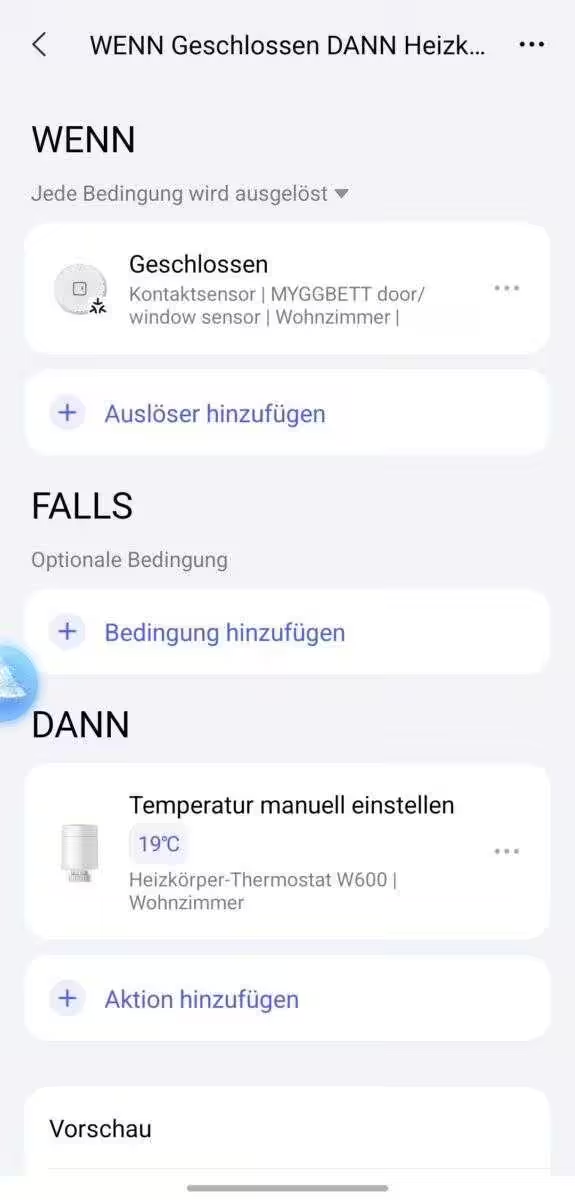
In addition to displaying the current status, the sensor is also suitable for simple automations. In combination with a smart W600 radiator thermostat, the test setup used an automation that lowers the room temperature as soon as the sensor detects an open window. When the window is closed again, the temperature is automatically raised.
Conclusion: IKEA MYGGBETT
Advantages:
- Matter standard
- Broad compatibility with common systems
- Flexible installation options
- Compact, unobtrusive design
- Can be operated with a rechargeable AAA battery
- Affordable price
Disadvantages:
- Rechargeable AAA battery not included
- The IKEA system currently lacks security features such as a siren or integrated alarm
With the MYGGBETT door/window sensor, IKEA is clearly positioning itself in the growing market for standardized smart home products. The focus is on clear functionality, ease of use and broad system compatibility. The sensor offers a straightforward entry point, especially for beginners or households that want to expand an existing Matter-based system. It is now available online at the very affordable price of €7.99. Comparable sensors from brands such as Homematic IP start at around €28.


![Bosch Smart Home Tür-/Fensterkontakt II [+M], smarter Sensor zum energ...](https://m.media-amazon.com/images/I/31fMbTVj+EL._SL500_.jpg)


Source/Photo: (Amazon / IKEA)

Ich bin Christian und habe den Blog 2024 gegründet. Ich bin gelernter Kommunikationselektroniker, technikbegeistert und Smart-Home-Enthusiast mit langjähriger Erfahrung im Bereich vernetzter Haushaltsgeräte. Mit großer Leidenschaft verfolge ich aktuelle Entwicklungen und teste regelmäßig neue Produkte, um verständliche Einblicke und praxisnahe Empfehlungen zu geben.