Home Assistant 2026.8, the August update for the smart home platform, has been released. New features include a simpler local web address, new web server settings, a more streamlined cloud management interface, and greater control over entity IDs. The update also introduces 15 new integrations and additional triggers and conditions for automations.
Home Assistant is continuously being developed and usually receives a major update every month. Feature update. Smaller patches will follow throughout the month and will primarily address bug fixes.
New installations do not require port 8123.
One of the most noticeable changes concerns new installations of Home Assistant OS. Previously, the port number :8123 usually had to be appended to the address for local access. Starting with Home Assistant 2026.8, this is no longer necessary by default for new installations.
However, this will not change anything for existing systems. They will remain accessible at their current address and port. Users will therefore not need to adjust their favorites or the connection settings in the Companion App after the update.
Anyone who still wants to change the web address can now find the relevant options directly in the user interface. There, the port, the network connection used, and trusted proxies can be configured.
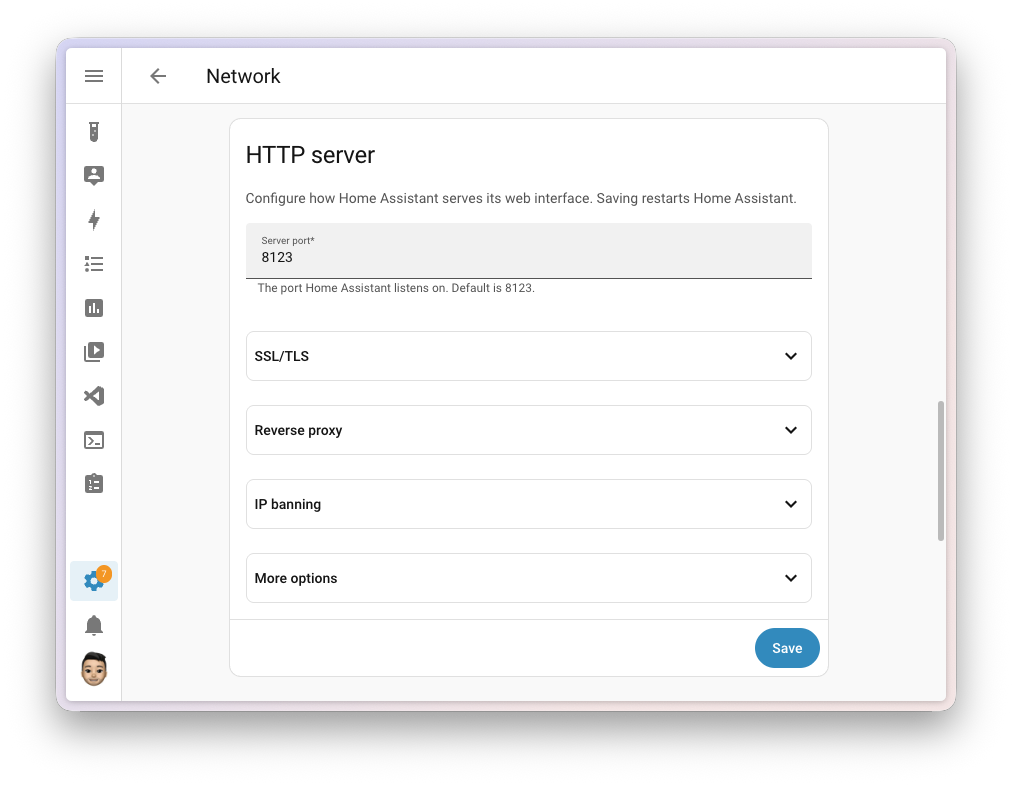
To prevent an incorrect setting from permanently blocking access, Home Assistant has a built-in safeguard. After a change, the new configuration must be confirmed within five minutes. If this confirmation is not received, the system automatically restores the previous settings and restarts.
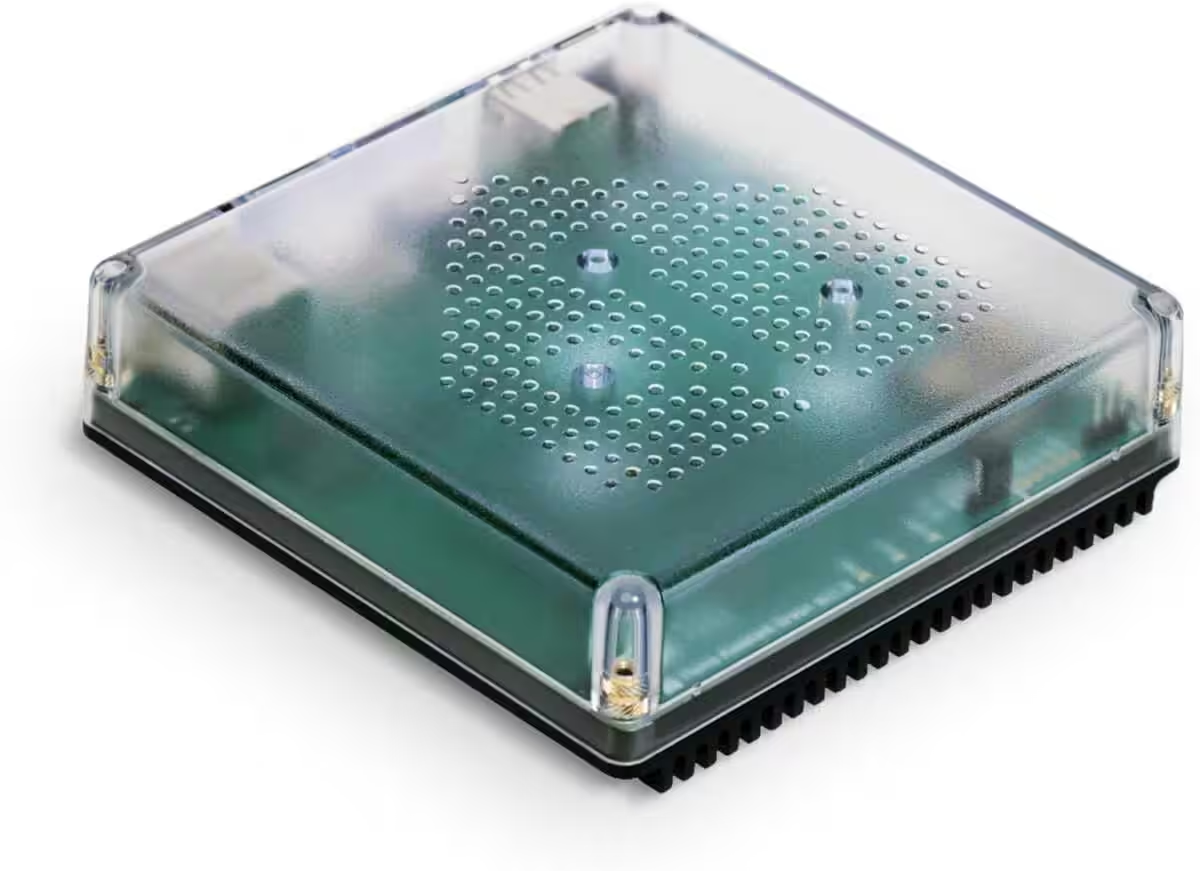
Nabu Casa Home Assistant Green
The easiest way to get started with Home Assistant – With Home Assistant already installed, all you need to do is plug in the included power adapter and Ethernet cable to get started | Official Hardware
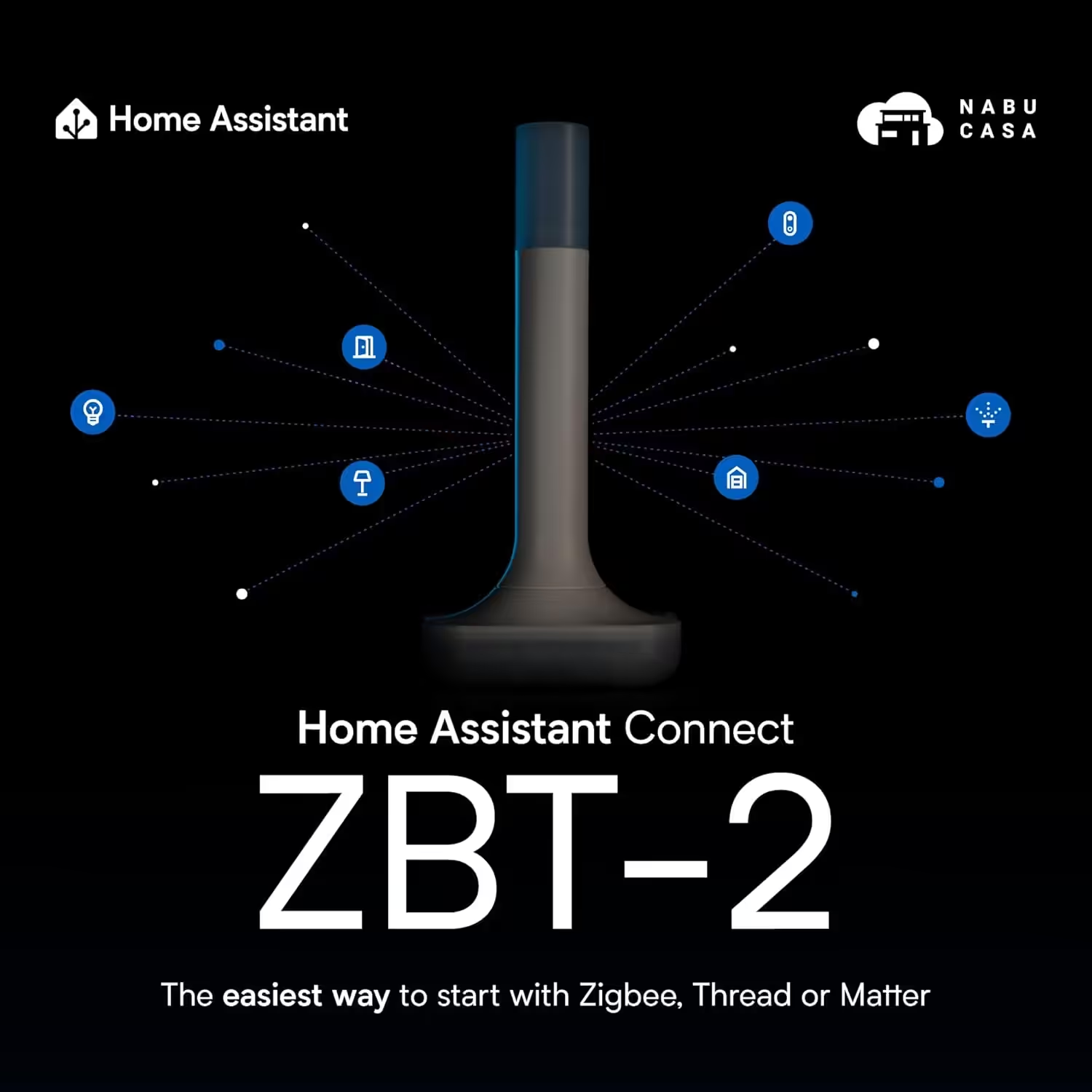
Home Assistant Connect ZBT-2
Home Assistant Connect ZBT-2 | Connect Zigbee, Thread or Mater devices with Home Assistant | Official Hardware
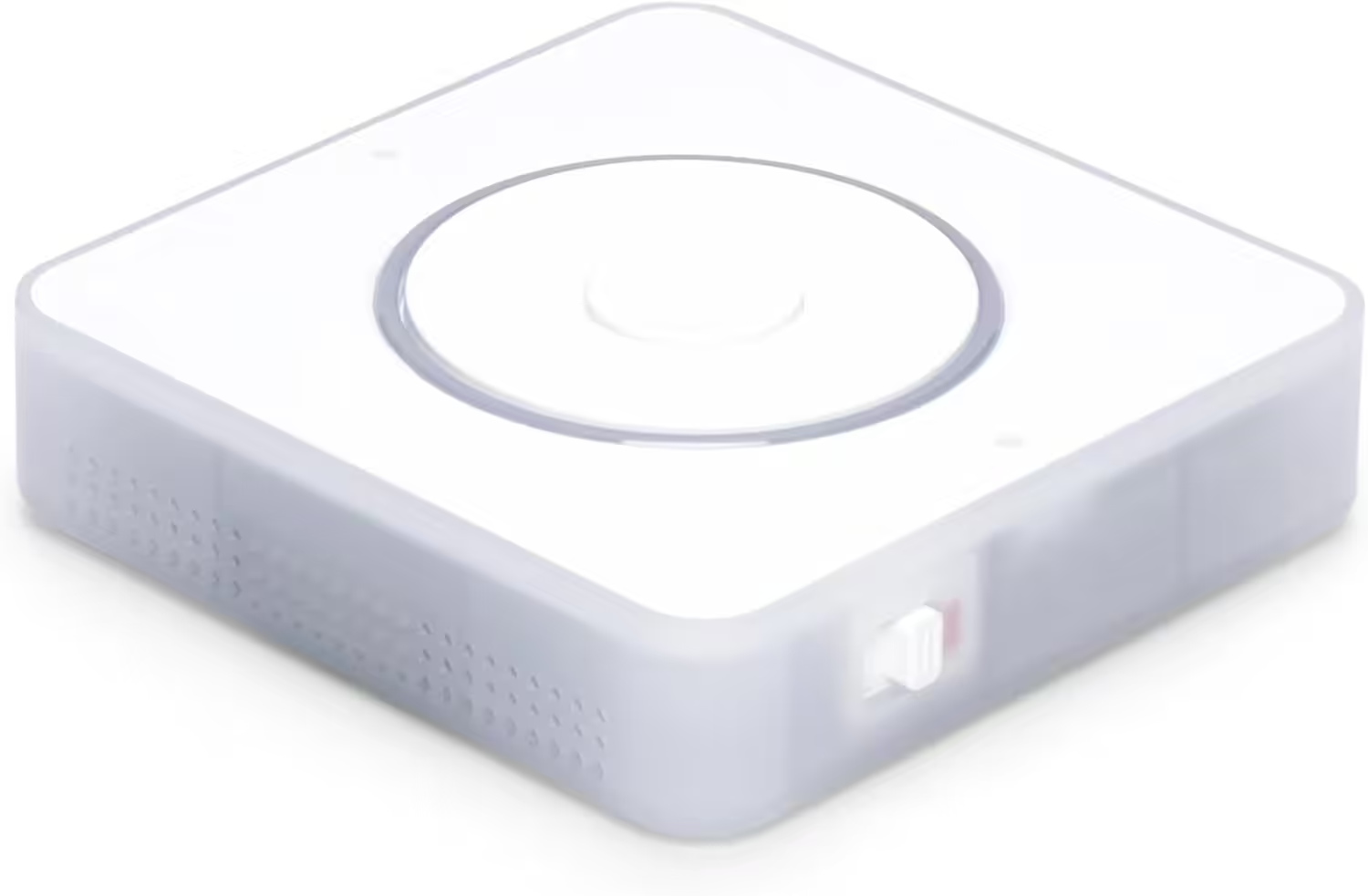
Nabu Casa Home Assistant Voice
Preview Edition | Smart speaker for local voice control | Compatible with Home Assistant | Privacy focus
If the web server was previously configured using YAML, the relevant settings will be applied to the user interface upon the first startup after the update. A repair message may then indicate that the old YAML configuration can be cleaned up.
"Developer Tools" becomes "Tools"„
Home Assistant aims to reduce language barriers with this update. Terms like "Advanced" and "Expert" have therefore been removed from approximately 43 places in the user interface, documentation, and companion apps. This does not change the actual functionality. Instead, the new labels are intended to more accurately describe the purpose of each setting.
The developer tools previously known as "Developer Tools" are now simply called "Tools." These tools allow users to check states, test templates, and reload individual configuration components, among other things. Since these functions are not exclusively intended for developers, the shorter name better reflects their actual purpose.
Home Assistant Cloud is becoming more user-friendly
The Home Assistant Cloud settings have also been redesigned. Previously, many functions and switches were grouped together on one long page. With Home Assistant 2026.8, there is now an overview page where the individual cloud functions are displayed separately.
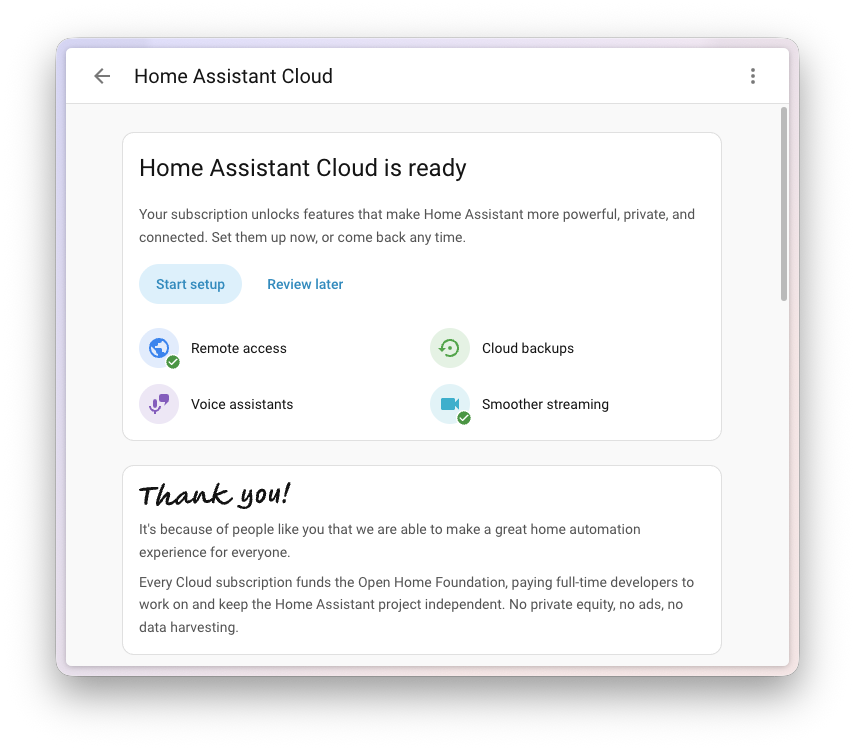
Remote access, encrypted backups, voice assistants, and the companion app each have their own section. The corresponding settings are located on separate subpages.
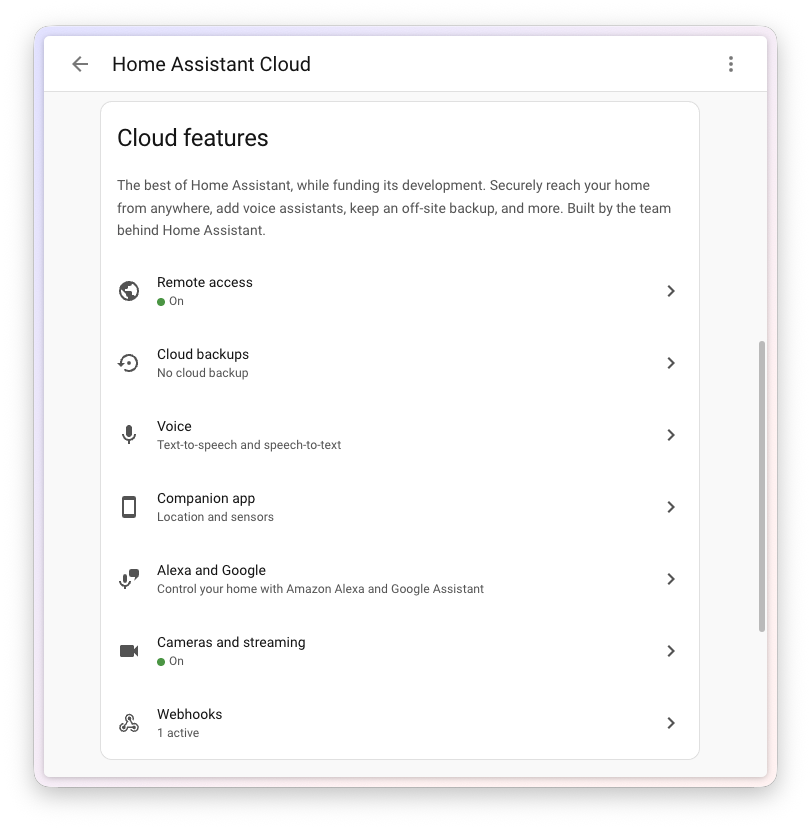
New users are guided step-by-step through the setup of Home Assistant Cloud. The process can be interrupted and resumed at a later time.
More control over entity IDs
Entity IDs are used in Home Assistant by automations, scripts, and dashboards to uniquely address, for example, a sensor or a light. Home Assistant 2026.8 allows for more flexible management of these IDs.
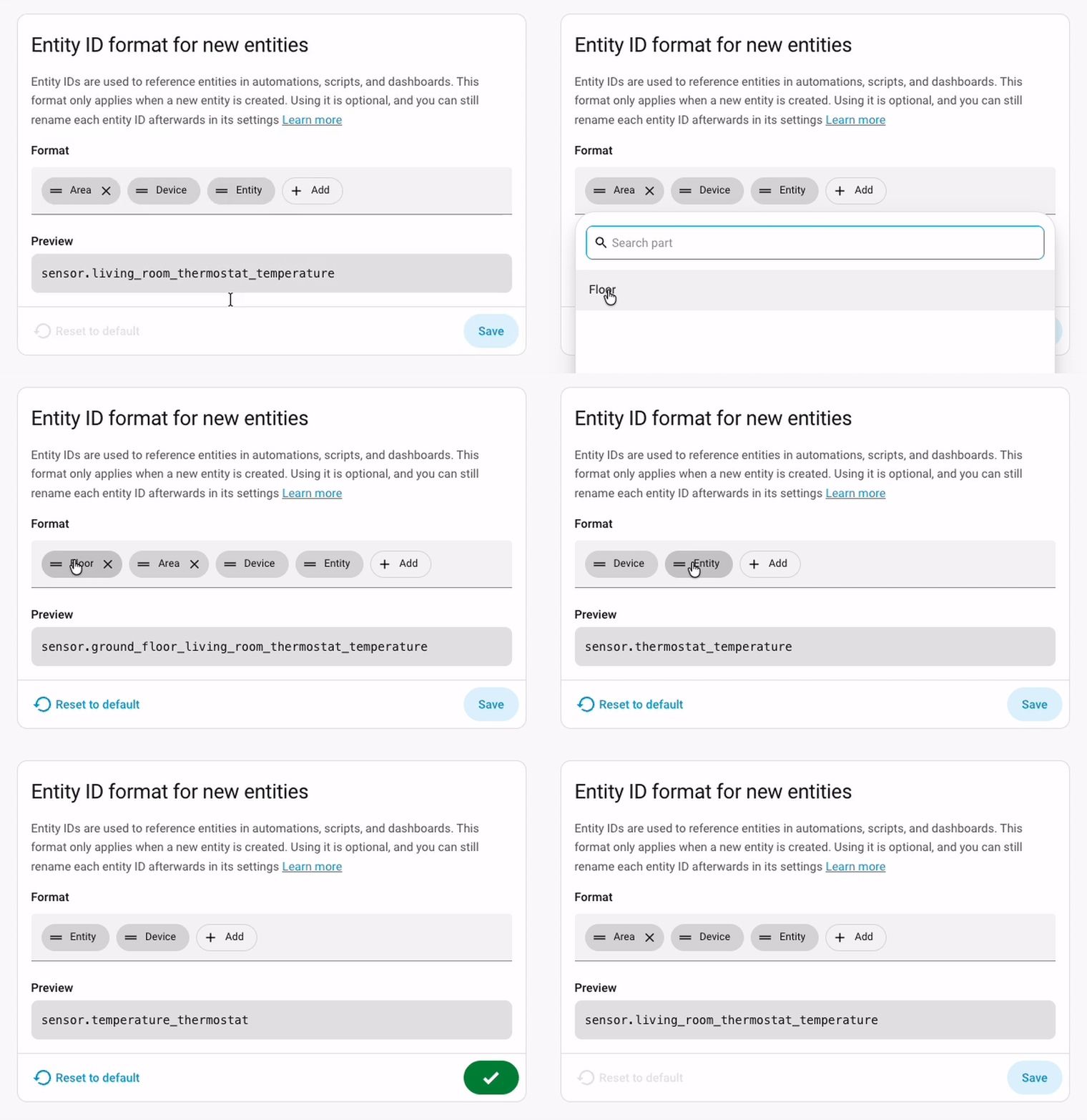
Users can rename an entity ID themselves and define how the individual components of the name are arranged. This allows for more consistent implementation of custom naming schemes without requiring Home Assistant to automatically incorporate the assigned room into the name.
Devices from multiple integrations are separated.
A more significant change is taking place behind the scenes in device management. Previously, if a physical device was integrated via two different integrations, Home Assistant could now combine the entries for a single device. This could lead to conflicts if the two integrations provided different information about the model or serial number.
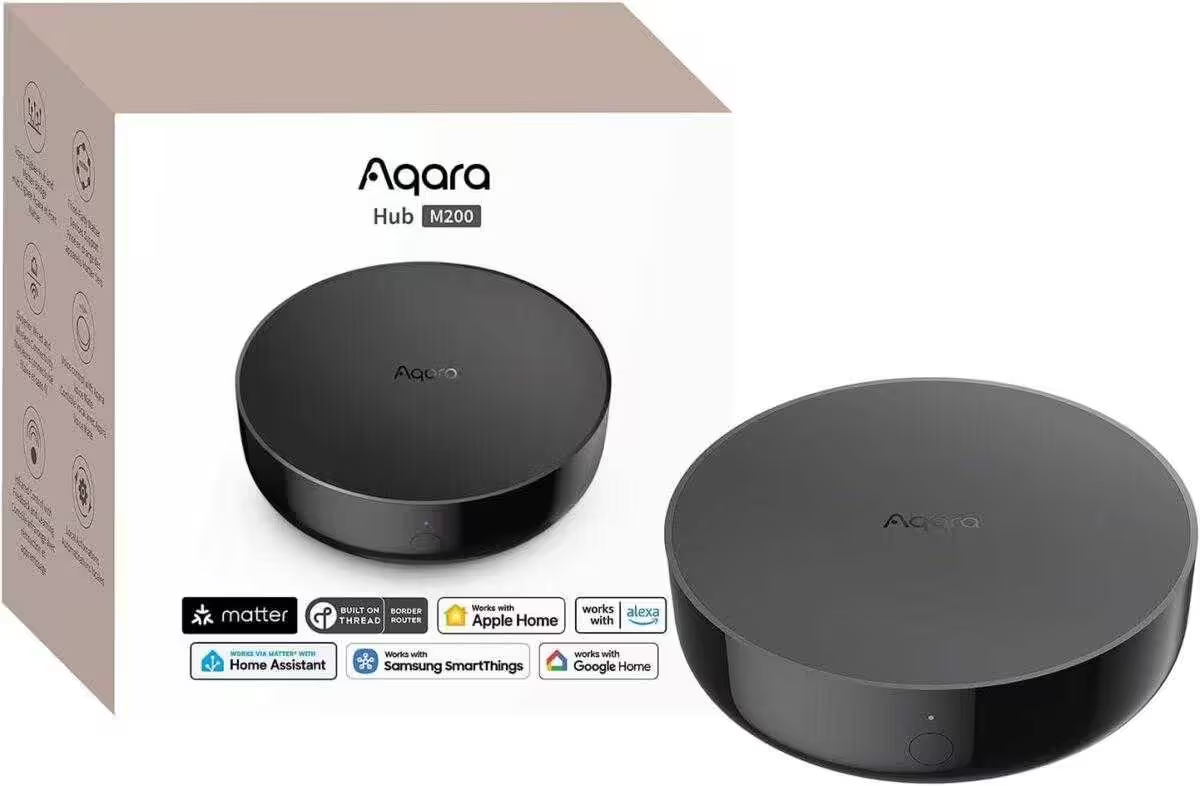
Aqara Smart Hub M200
Matter controller, Thread boundary router with Aqara Zigbee, Bluetooth, WLAN, PoE, IR, supports Amazon Alexa, Apple HomeKit, Home Assistant, SmartThings, Google Home
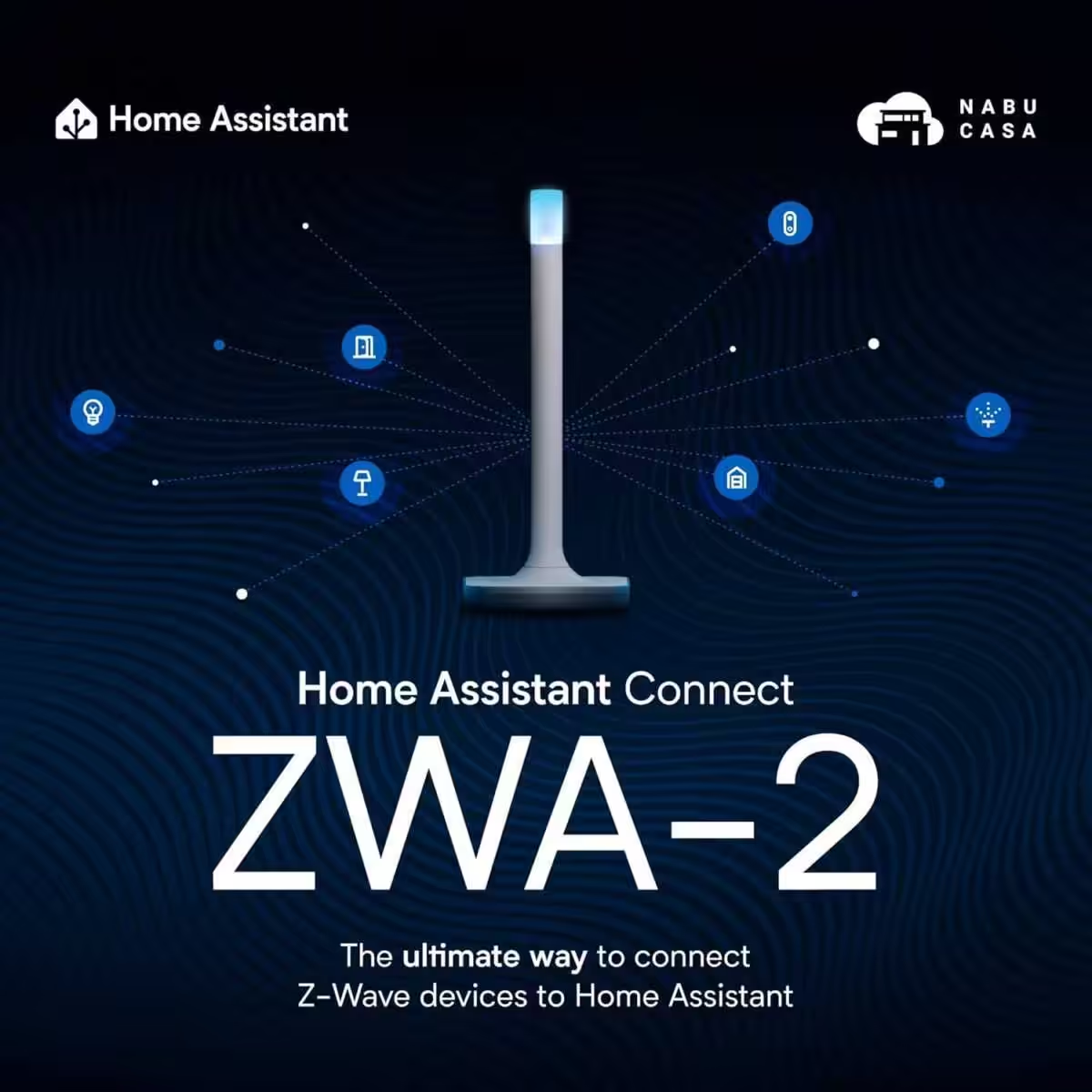
Home Assistant Connect ZWA-2
Connect Z-Wave devices to Home Assistant | Official Home Assistant Hardware

SONOFF Zigbee 3.0 USB Dongle Plus MG24
Zigbee Gateway with EFR32MG24, Thread & Zigbee USB stick, Zigbee Controller for Home Assistant or Zigbee2MQTT
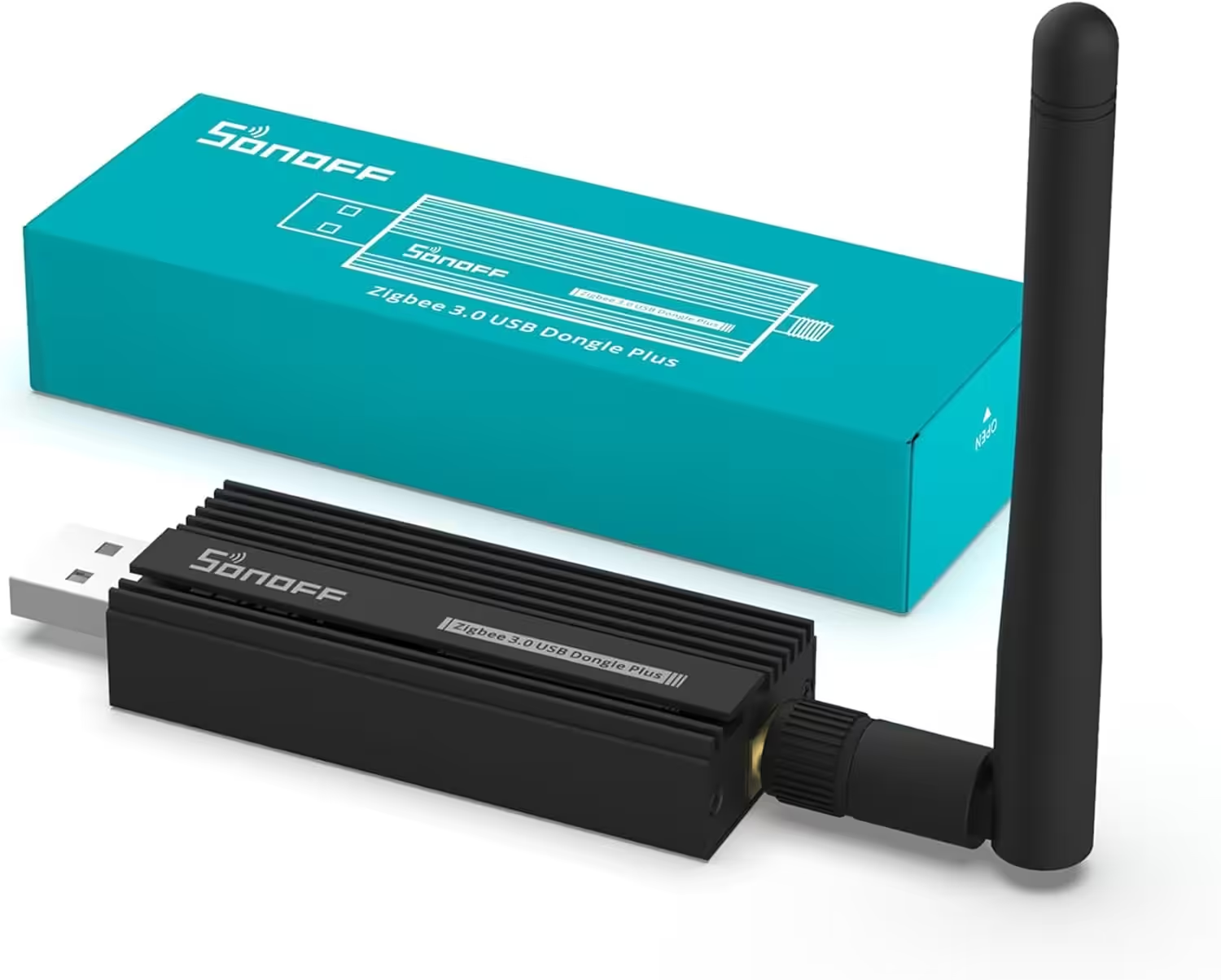
SONOFF Zigbee 3.0 USB Dongle Plus
Zigbee Gateway TI CC2652P + CP2102N Zigbee USB Stick, Zigbee Hub for ZHA in Home Assistant or Zigbee2MQTT, Open HAB etc.
Starting with Home Assistant 2026.8, each integration manages its own device entry. Devices that have already been merged will be automatically separated during the update, and the respective entities will be assigned accordingly.
Automations and scripts should not normally be affected. Only configurations that address a device directly via its internal device ID should be checked. In affected installations, Home Assistant may also display a repair message.
New triggers and conditions for automation
The automation editor is receiving two additional device-related functions. For vibrations, not only triggers but also appropriate conditions are now available. For example, an automation can check whether a washing machine is still vibrating before sending a notification that the program has finished.
New features also include triggers and conditions for lunar phases. Automations can start when the lunar phase changes, or specifically check whether it is currently a full moon, new moon, or another phase.
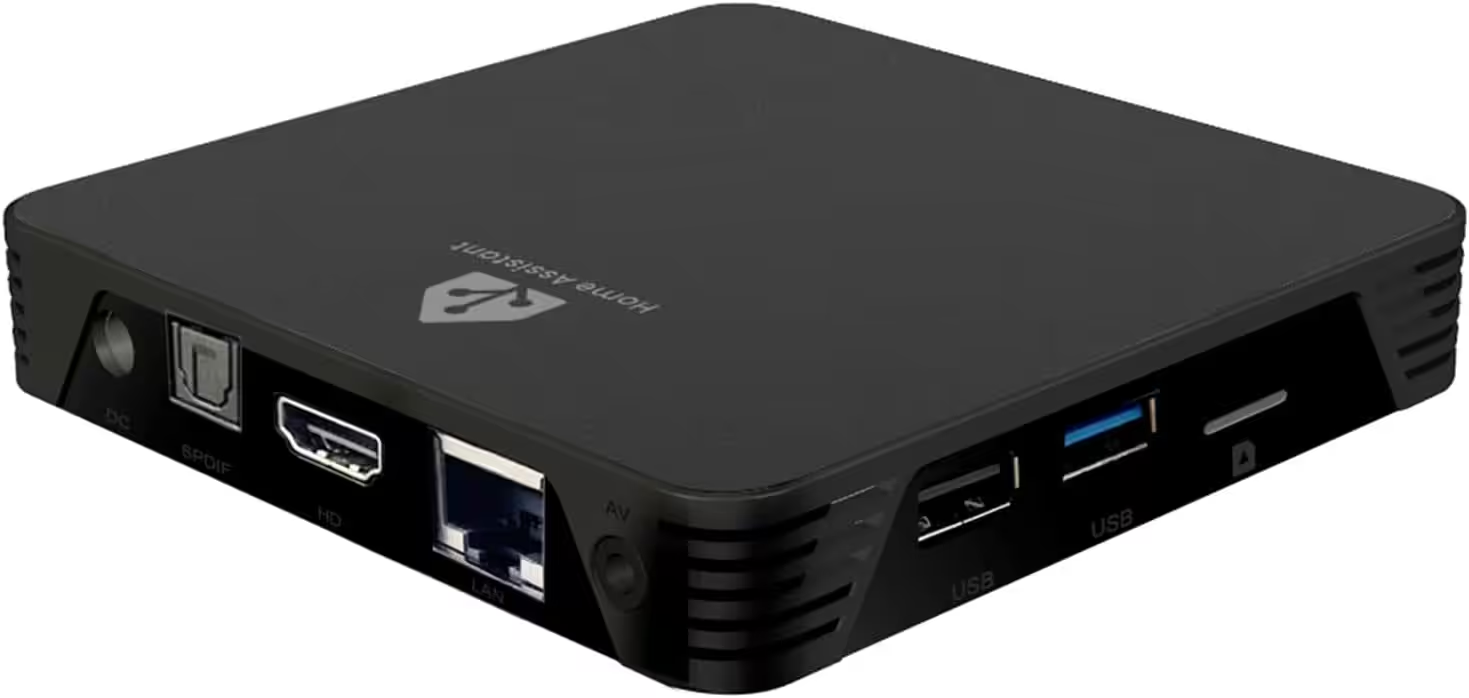
MIUCDA Home Assistant Box
Cortex-A53, ROM 32GB, RAM 4G, USB 3.0 ports, HA OS host smart home central
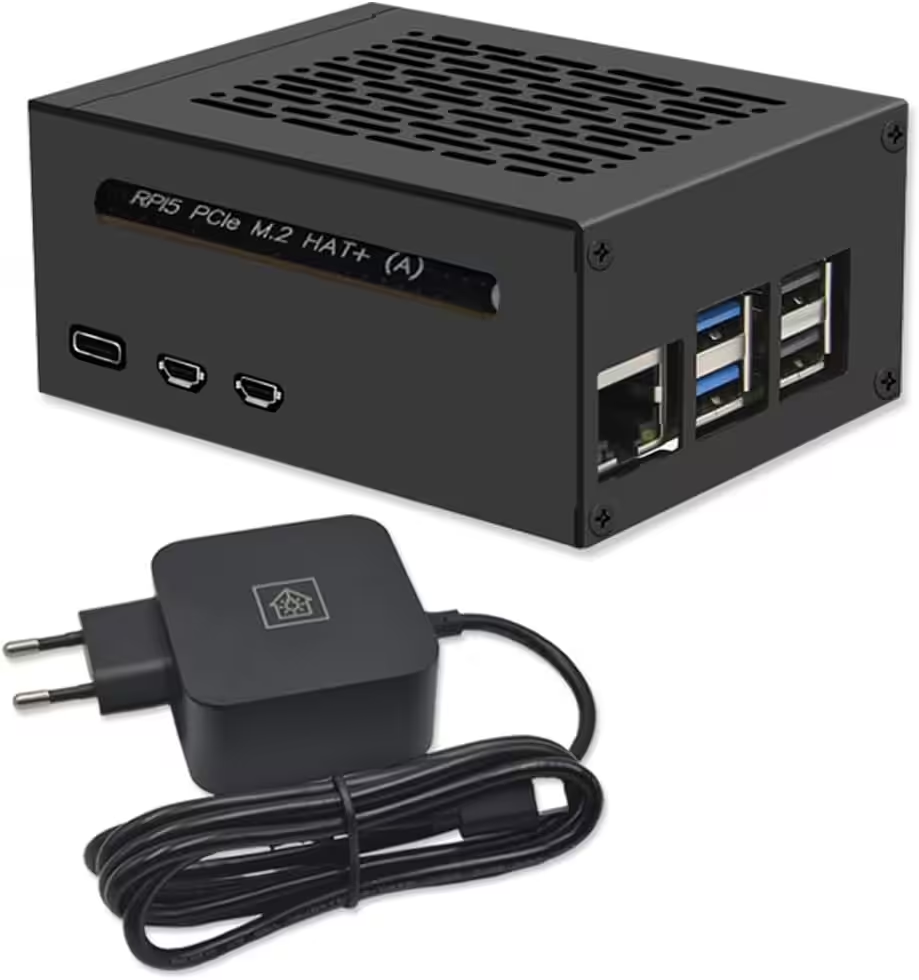
Home Assistant smart home central
Raspberry Pi 5 8GB | Air-Flow Metal Case | M.2 250GB NVMe | Home Assistant OS
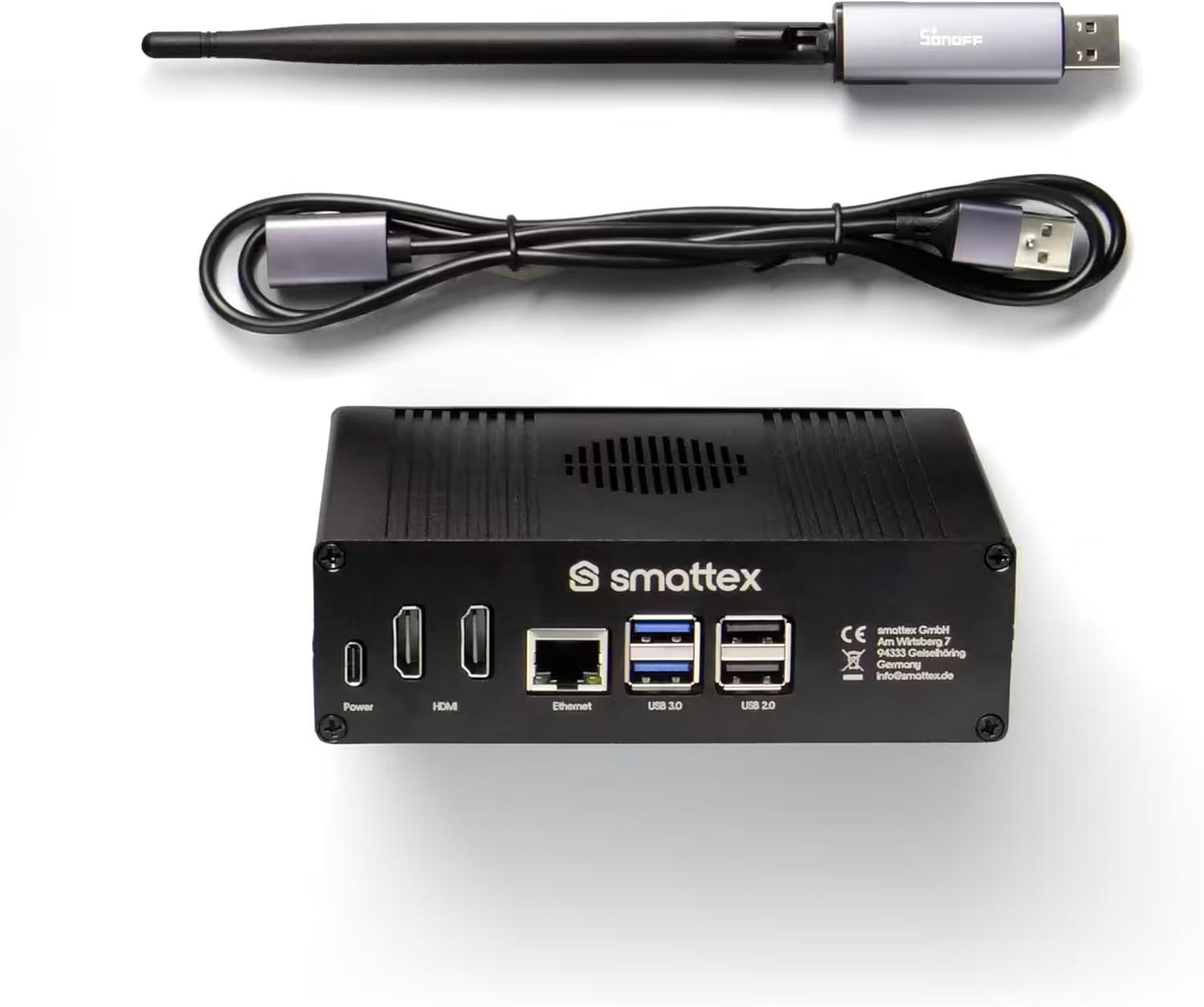
Home Assistant pre-installed, including antenna (Thread Border Router)
Plug & Play Set Black, WiFi, Bluetooth, SSD, Matter, Zigbee optional, instant (4 GB RAM / 128 GB SSD)
Conclusion on Home Assistant 2026.8
Home Assistant 2026.8 focuses primarily on improved usability. New installations no longer require an appended port number, important web server settings are now integrated into the user interface, and Home Assistant Cloud presents its functions more clearly.
Existing users will particularly benefit from the more flexible management of entity IDs, the improvements to the automation editor, and the numerous enhancements to existing integrations. The changes to the internal device management should go unnoticed in most installations. However, for more complex configurations with direct device IDs, a quick check after the update is advisable.
Source/Photo: (Amazon / Home Assistant / Chrissmart)

My name is Christian, and I founded this blog in 2024. I'm a trained communications electronics technician, a tech enthusiast, and a smart home aficionado with many years of experience in the field of networked household appliances. I passionately follow current developments and regularly test new products to provide clear insights and practical recommendations.